
Recherche
Les recherches les plus fréquentes :
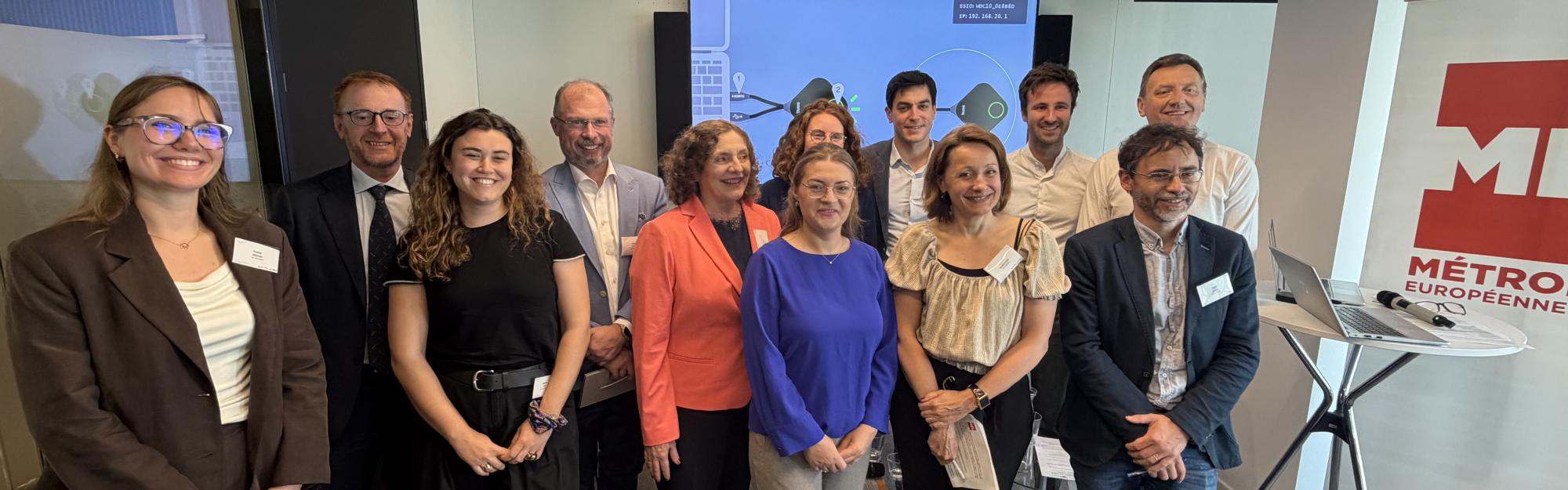
On 3 June, Lille Metropole hosted in Brussels a high-level seminar dedicated to the EU Affordable Housing Plan and its next steps.
Co-organised with Lyon Metropole, Cities Northern Netherlands and ERRIN, the event brought together more than 50 participants from nine European countries, including representatives of the European Commission, the European Investment Bank (EIB), local and regional authorities, housing stakeholders and European networks.
The seminar provided a timely opportunity to discuss one of the most pressing challenges facing European territories today: ensuring access to affordable, quality housing for all citizens.
European policy framework on affordable housing
The morning opened with a series of interventions from key European institutions, including the European Commission (Task Force and Joint Research Centre - New European Bauhaus Unit) and the European Investment Bank.
Discussions highlighted the increasing momentum at EU level on housing policy, as well as the emergence of new tools and frameworks to support investment in affordable and social housing. The link with broader EU priorities such as the New European Bauhaus was also underlined.
Bringing cities and metropolitan authorities to the centre
The second part of the morning shifted the discussion towards the role of cities and metropolitan areas in addressing Europe’s housing challenges.


Contributions from Eurocities and Housing Europe framed the debate by recalling the structural pressures faced by local authorities, from rising housing costs to supply constraints and growing affordability gaps.
A panel discussion then brought together Cities Northern Netherlands, Vienna, Barcelona and Lille Metropole, offering a comparative perspective on how different territories are responding to the housing crisis.
Across the discussion, several common priorities emerged: the need to increase and diversify housing supply, address renovation challenges, and better regulate affordability pressures. At the same time, participants stressed that housing realities differ significantly across Europe, from metropolitan areas to smaller cities, and that EU policies must reflect this territorial diversity.
Looking ahead to 2030, the discussion also highlighted a shared expectation: success should not be measured solely in terms of housing production or market indicators, but through real improvements in affordability and access for households.
A shared agenda between the EU and local actors
Overall, the seminar confirmed a strong convergence between European institutions and local and regional authorities on the urgency of addressing the housing crisis. It also reinforced a key political message: delivering effective housing solutions will require closer alignment between EU frameworks and local implementation, as well as sustained cooperation across levels of governance.
Lille Metropole and its partners will continue to engage actively in these discussions, ensuring that local realities remain at the heart of the European housing agenda.


