
Recherche
The most frequent searches :
€64 million in EU funding to modernise public transport in Lille Metropole
Lille Metropole has been selected to receive a €64 million grant for its Rolling E-Mob (Rolling Stock for Electric Mobility) project, which aims to renew and decarbonise its public transport fleet. This funding complements a €425 million loan from the European Investment Bank (EIB).
For the second time, Lille Metropole has been selected as a beneficiary of a call for proposals under the Public Sector Loan Facility (PSLF), part of the Just Transition Mechanism (JTM).
Modernising the metro and accelerating bus electrification
The funding will support four major operations to increase public transport capacity, improve service quality and reduce the network’s environmental impact:
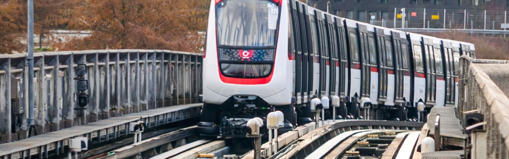
Metro Line 1: Acquisition of 15 new 52-metre trains, enabling 27 existing 26-metre trains to be transferred to Line 2. This will contribute to a 50% increase in capacity on Line 1 (Project cost: €220 million).
Metro Line 2: Purchase of 57 new 26-metre trains to replace the oldest rolling stock (Project cost: €477 million).
Renovation of existing trains: Modernisation of 60 trains on Line 2 to extend their service life while controlling costs and reducing their carbon footprint (Project cost: €110 million).
Electric buses: Acquisition of 65 battery-electric buses and electrification of the Sequedin depot to further decarbonise the metropolitan bus fleet (Project cost: €50 million).
Reducing emissions and supporting the EU’s climate objectives
Beyond fleet renewal, the programme aims to reduce energy consumption, greenhouse gas emissions and air pollutants associated with transport. Increased metro capacity, the electrification of part of the bus fleet and the development of renewable energy use will all contribute to a more sustainable public transport network.
The project supports the European Union’s wider green transition and its ambition to achieve climate neutrality by 2050. It also reflects Lille Metropole’s commitment to providing more efficient and attractive public transport while supporting the sustainable transformation of the metropolitan area.


