
Recherche
The most frequent searches :
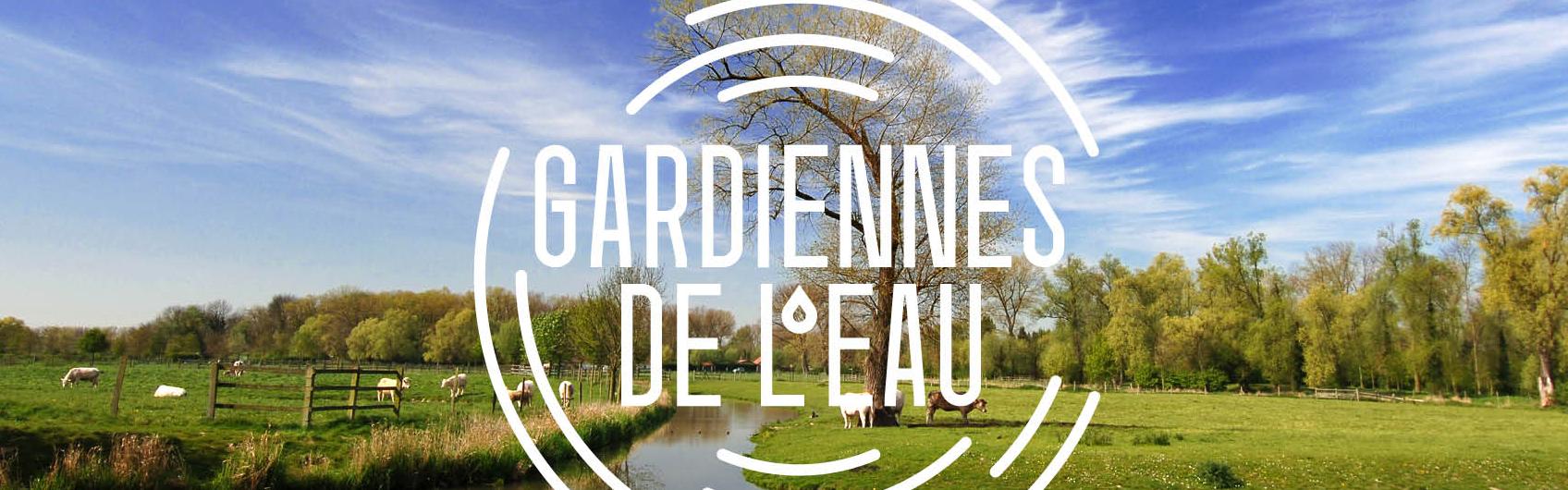
“Guardians of Water”: Lille Metropole’s commitment to long-term water protection
On the occasion of World Water Day on March 22, we would like to highlight one of Lille Metropole’s flagship initiatives on water resilience.
Since 2019, Lille Metropole has been committed to the long-term protection of its drinking water resources through the “Guardians of Water” initiative. Recognised as a vital asset for the territory, water is at the heart of a collective approach bringing together 29 municipalities located above a sensitive groundwater table. Alongside Lille Metropole, these municipalities are developing new ways of planning housing, welcoming economic activities, delivering services, shaping agriculture, and rethinking mobility, with the shared objective of preserving water resources while enhancing the value of a diverse and resilient territory.
The “Guardians of Water” initiative
The Guardians of Water municipalities are mobilised to protect the groundwater resources beneath their territory, ensuring long-term, equitable access to high-quality drinking water for all.

This collective commitment to the well-being and health of metropolitan residents was formalised in December 2019 through the adoption of the Guardians of Water Charter. The Charter embeds water and environmental challenges across all public policies, structured around five key pillars:
Recognizing water and the environment as heritage
Promoting agriculture in synergy with water
Rethinking mobility
Living differently
Adapting economic development
Adopted the same year, Lille Metropole’s revised Local Urban Plan (PLU2) clearly establishes water protection as a strategic priority. In practical terms, this translates into :
Limiting land artificialisation within the Catchment Area (AAC)
Protecting and enhancing natural and agricultural areas while excluding new urban extensions, except for specific projects of overriding public interest
Redesigning road infrastructure, construction practices, and the management of potentially polluting activities in order to minimise impacts on water resources.
The “Guardians of Water” territory
The Catchment Area (Aire d’Alimentation des Captages - AAC) covers around forty municipalities, 29 of which are located within Lille Metropole, and it supplies approximately 40% of Lille Metropole’s water needs.
The municipalities within Lille Metropole engaged in the Guardians of Water initiative are:
Allennes-les-Marais, Annoeullin, Bauvin, Beaucamps-Ligny, Carnin, Don, Emmerin, Erquinghem-le-Sec, Escobecques, Faches-Thumesnil, Fournes-en-Weppes, Hallennes-lez-Haubourdin, Hantay, Haubourdin, Houplin-Ancoisne, Lesquin, Loos, Marquillies, Noyelles-lès-Seclin, Provin, Sainghin-en-Weppes, Salomé, Santes, Seclin, Templermars, Vendeville, Wattignies, Wavrin and Wicres.
Ongoing “Guardians of Water” activities
As part of the Guardians of Water initiative, several concrete projects are currently being implemented to protect water resources while improving living environments and strengthening territorial resilience.
Two flagship ongoing actions illustrate this integrated approach:

Blanc-Riez Urban Renewal (Wattignies)
In the town of Wattignies, the large-scale regeneration of the Blanc-Riez district combines social, urban, and environmental objectives. Beyond the renovation and reconstruction of housing and public spaces, the project strongly integrates nature-based stormwater management solutions. More than 5 hectares of public space will be disconnected from the drainage network to promote rainwater infiltration, alongside significant tree and vegetation planting. This contributes both to groundwater protection and to improved urban biodiversity and quality of life.
Wavrin Agricultural Enclave (Landscape Plan)
In Wavrin, the Landscape Plan strategy is transforming an agricultural enclave into a multifunctional “green heart” for the municipality. The project addresses conflicts between farming and pedestrian uses while promoting ecological land management and natural water infiltration. It supports sustainable agriculture, enhances biodiversity, and strengthens soft mobility connections, all while safeguarding water resources.


