
Recherche
The most frequent searches :
Lille Metropole at the Democracy Lab in Bilbao: Rethinking Youth Engagement in Democratic Life
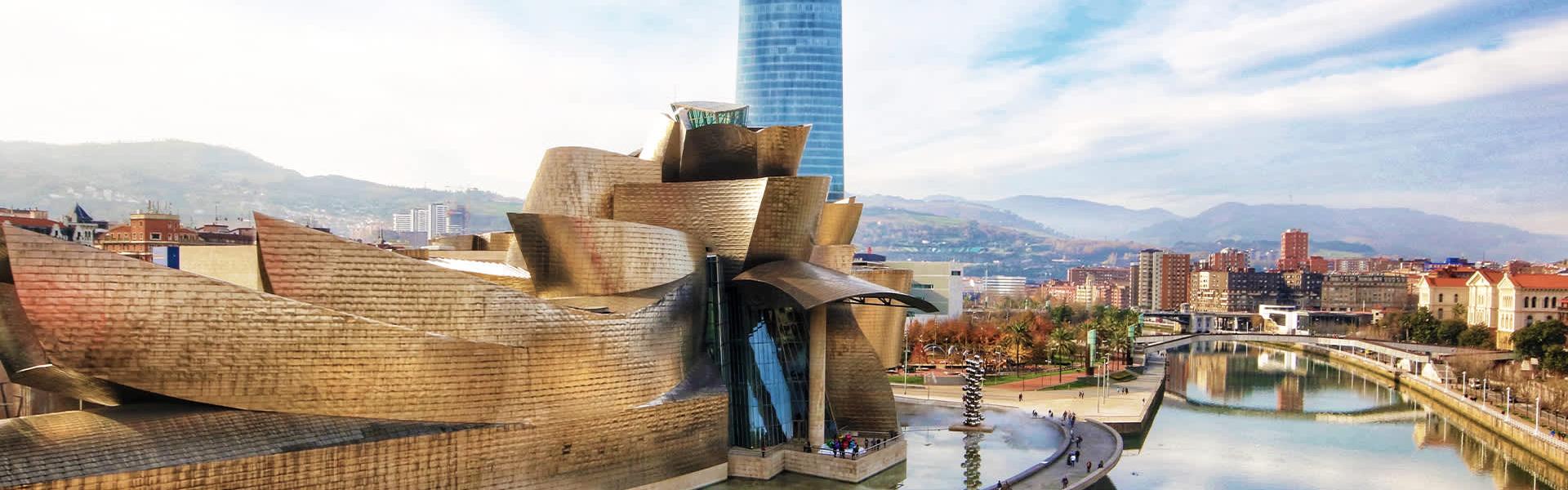
From 10 to 12 February 2026, the City of Bilbao hosted the Democracy Lab, a European gathering dedicated to strengthening democratic engagement among young people. Bringing together 50 to 70 participants from across the continent, the Lab provided a unique space for local authorities, practitioners, researchers and civil society actors to co-design concrete democratic innovations in response to real urban challenges.
For Lille Metropole, represented by Paul Mondino, Head of Youth and Civic Life, the event offered both strategic inspiration and practical avenues for future action at metropolitan level.
A global context calling for democratic renewal
Across Europe, institutions are confronted with a growing need to rebuild trust, revitalise democratic culture and renew the social contract with citizens. In this context, engaging young people is essential.
Bilbao and the broader Basque democratic ecosystem — notably driven by Arantzazulab, a democracy innovation laboratory backed by a wide coalition of public and private stakeholders — have placed youth engagement at the heart of their strategic agenda. Their objective is clear: empower younger generations to co-create more just, sustainable and democratic communities.

Three priorities for democratic innovation
The Democracy Lab focused on three interrelated themes:
1) Strengthening democratic values with young people
Participants explored how collaborative governance and open government principles can be embedded in everyday practice.
2) Building democratic culture
The Lab addressed how to equip youth with civic knowledge and key capabilities – such as critical thinking, empathy, leadership and experimentation – while creating safe and enabling spaces where democracy can be practised.
3) Experimenting with new technologies
A strong emphasis was placed on designing digital and analogue tools that empower participation.
Over three days, six mixed teams worked intensively on concrete challenges presented by six European cities: Cascais, Leeuwarden, Leipzig, Milan, Valongo and Gothenburg. Each city pitched a specific challenge related to youth and children’s participation, followed by collective problem-solving sessions.
The expected outcomes include actionable implementation roadmaps and policy recommendations for mainstreaming democratic innovation across levels of government.
The Leeuwarden Youth Platform: A replicable approach ?
Paul Mondino joined the working group led by Leeuwarden, whose challenge focused on making youth participation more structural, inclusive and impactful. The Dutch municipality is currently piloting a “Youth Platform” designed to systematise collaboration between the city and youth organisations, universities and other operators.
The model is based on a simple yet powerful mechanism: when the municipality identifies a policy issue requiring youth input, it submits it to a shared digital platform. Registered youth operators then relay the topic through their own networks, mobilising young people around clearly framed questions.

For Lille Metropole, this approach is particularly relevant. Reflections are underway on how a similar function could be integrated into the metropolitan digital participation platform, creating a structured “youth participation hub” capable of mobilising existing youth networks and operators across the territory. Such a system would help shift from occasional consultations towards a more systematic, coordinated and visible framework for youth participation.
Strengthening Lille Metropole’s European positioning
The Democracy Lab provided Lille Metropole with a valuable opportunity to consolidate its role within Europe’s democratic innovation community. By bringing together practitioners from a wide range of cultural and institutional contexts, the event fostered meaningful peer exchange, mutual learning and the foundations for future cooperation.


